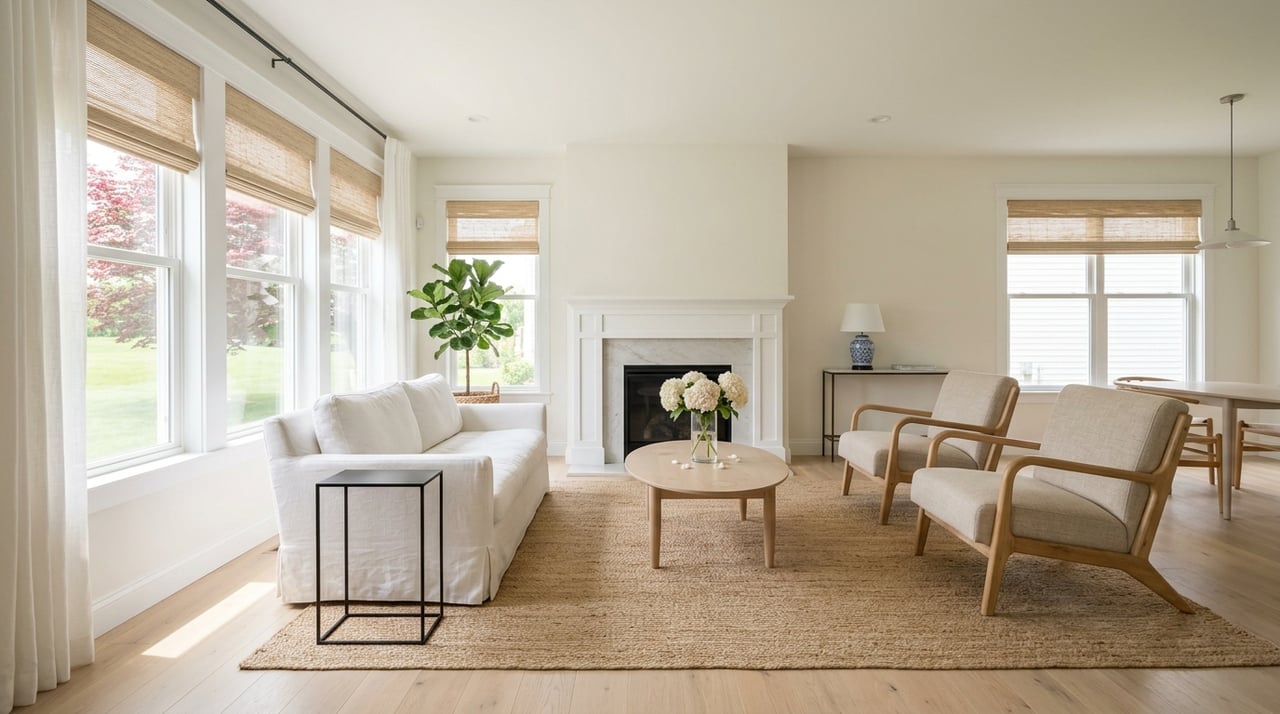
How to Stage Your Wheaton Home to Sell Before Listing
June 11, 2026
June 11, 2026
If you’re getting ready to sell, you may be wondering whether staging is worth the extra time and cost. In Wheaton, where homes are getting about five offers on average and selling in around 36 days, first impressions can carry real weight. The good news is that staging does not have to mean renting a whole new house full of furniture. In many cases, a smart, lighter-touch plan is enough to help your home show better and photograph well. Let’s dive in.
Wheaton is a competitive market, and buyers often compare several homes quickly before making an offer. Recent market snapshots show a median sale price around $455,000 over the last three months, while active listings reflect a median list price of $544,500 with 111 homes for sale. That means your home is not just competing on price. It is also competing on presentation.
When buyers scroll through photos or walk into a showing, they are trying to picture how the home lives. According to 2025 research from the National Association of Realtors, 83% of buyers’ agents said staging made it easier for buyers to visualize a property as a future home. That matters in a fast-moving market where your listing has to stand out right away.
One of the biggest myths about staging is that it has to be a full-scale makeover. In reality, many sellers benefit from a simple, cost-conscious approach that focuses on editing, cleaning, and highlighting the home’s best features. NAR reports that only 21% of sellers’ agents staged all listings, while many recommended lighter prep instead.
That prep often includes:
For many Wheaton sellers, this kind of light staging is the sweet spot. It supports strong marketing without pushing you into major upfront expense.
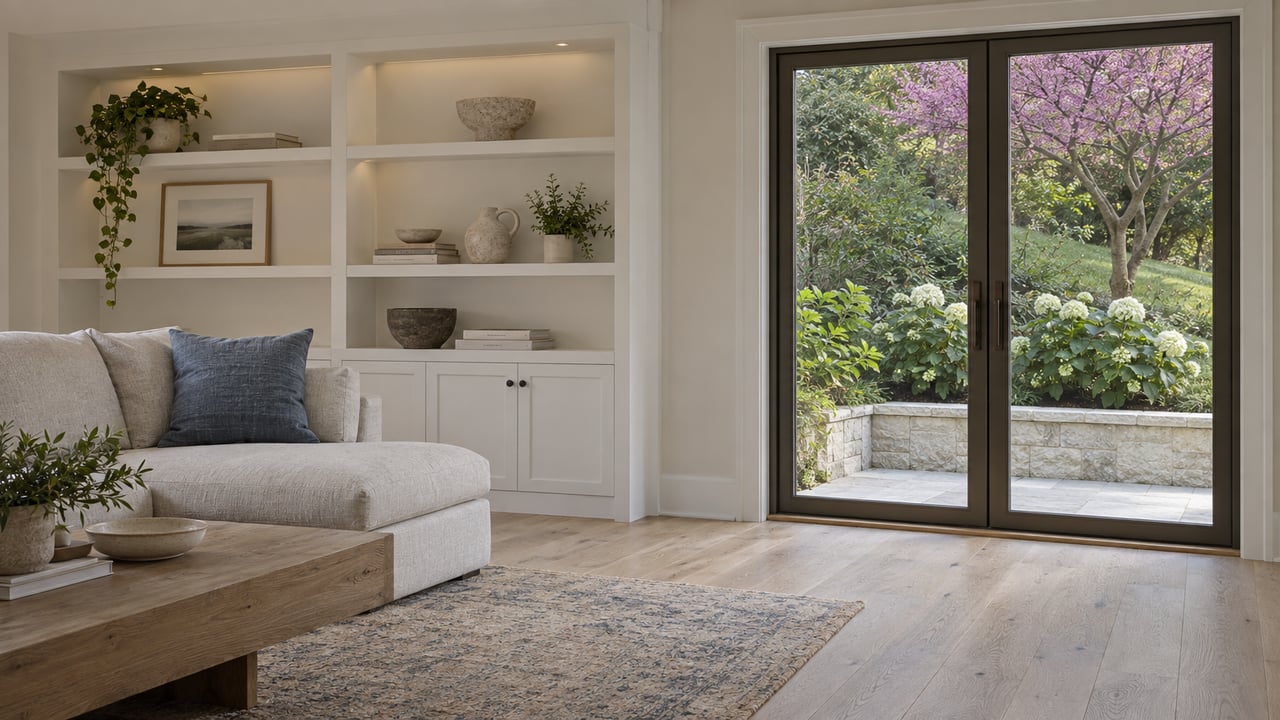
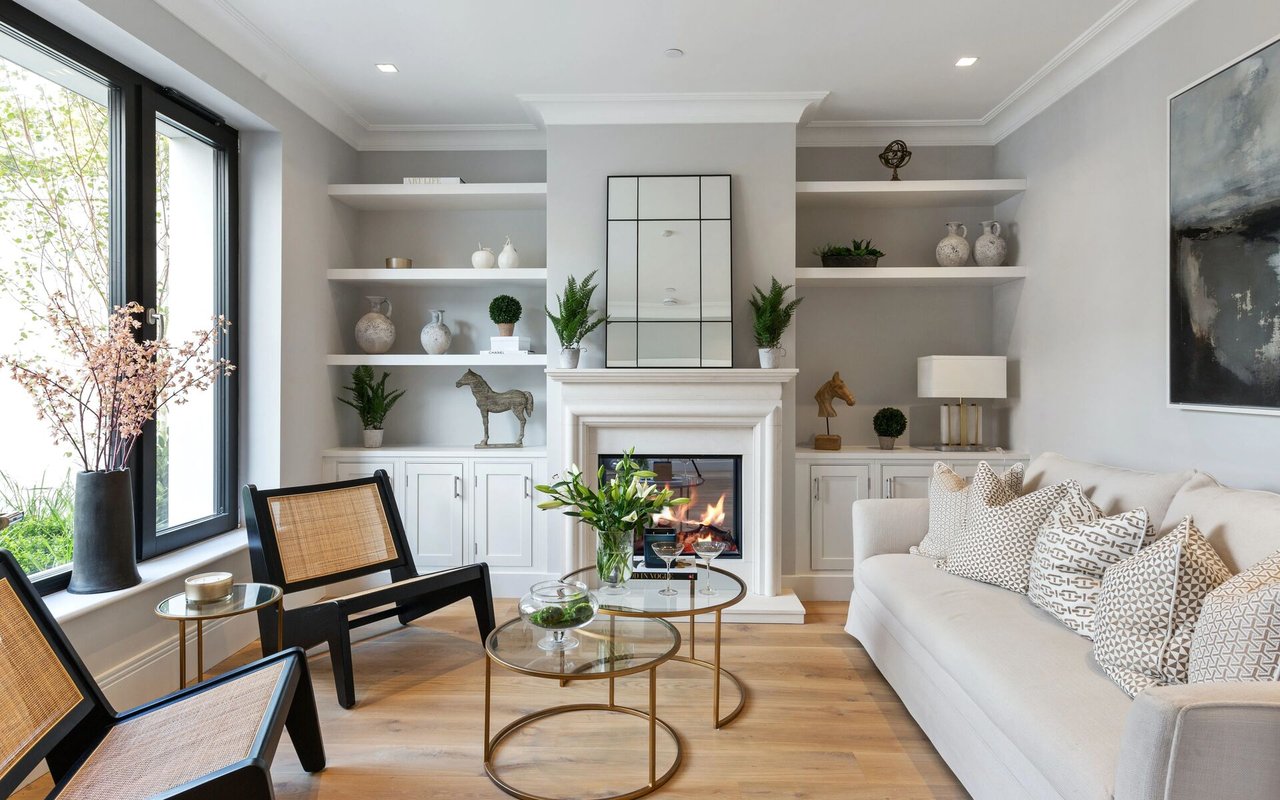
If you still live in the home, light staging often uses your existing furniture and layers in simple edits or a few added accessories. This can mean rearranging a room to improve flow, removing extra furniture, swapping out bold personal decor, or adding a few neutral finishing touches.
This approach works especially well if your home is already in solid condition but feels a little full, dated, or too personalized. It is usually the most practical option when you want to improve presentation without overcomplicating the process.
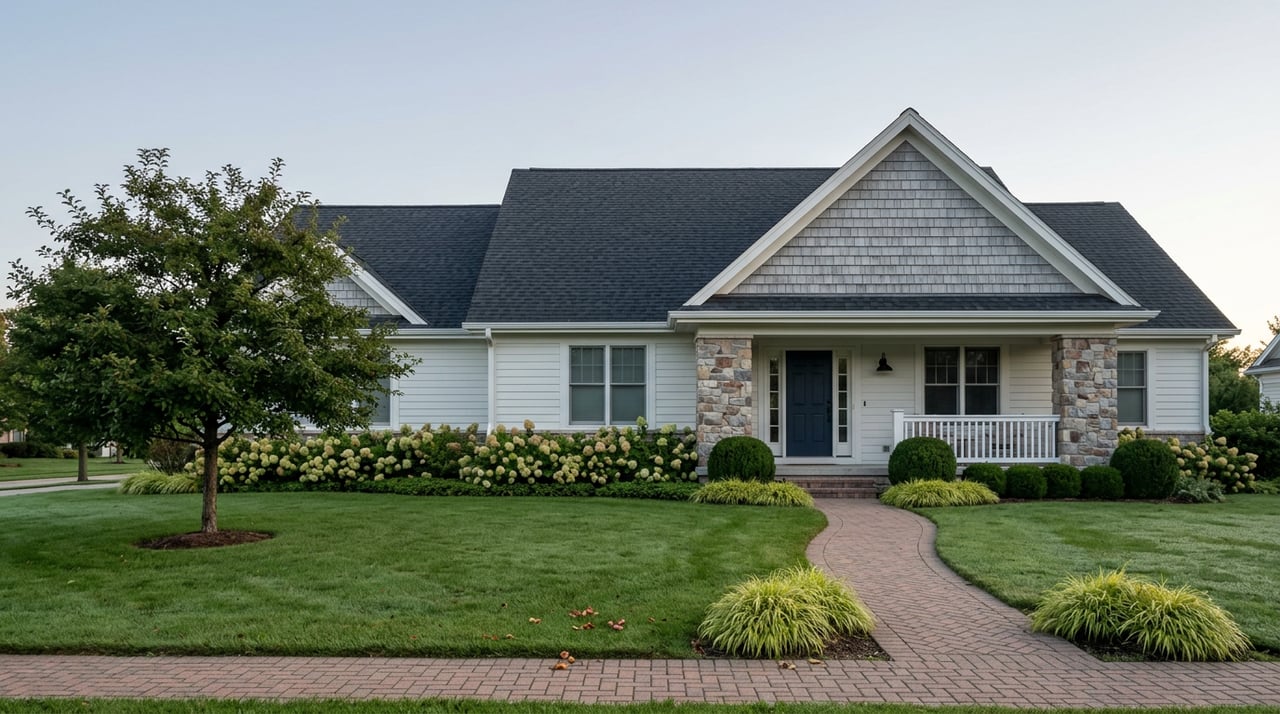
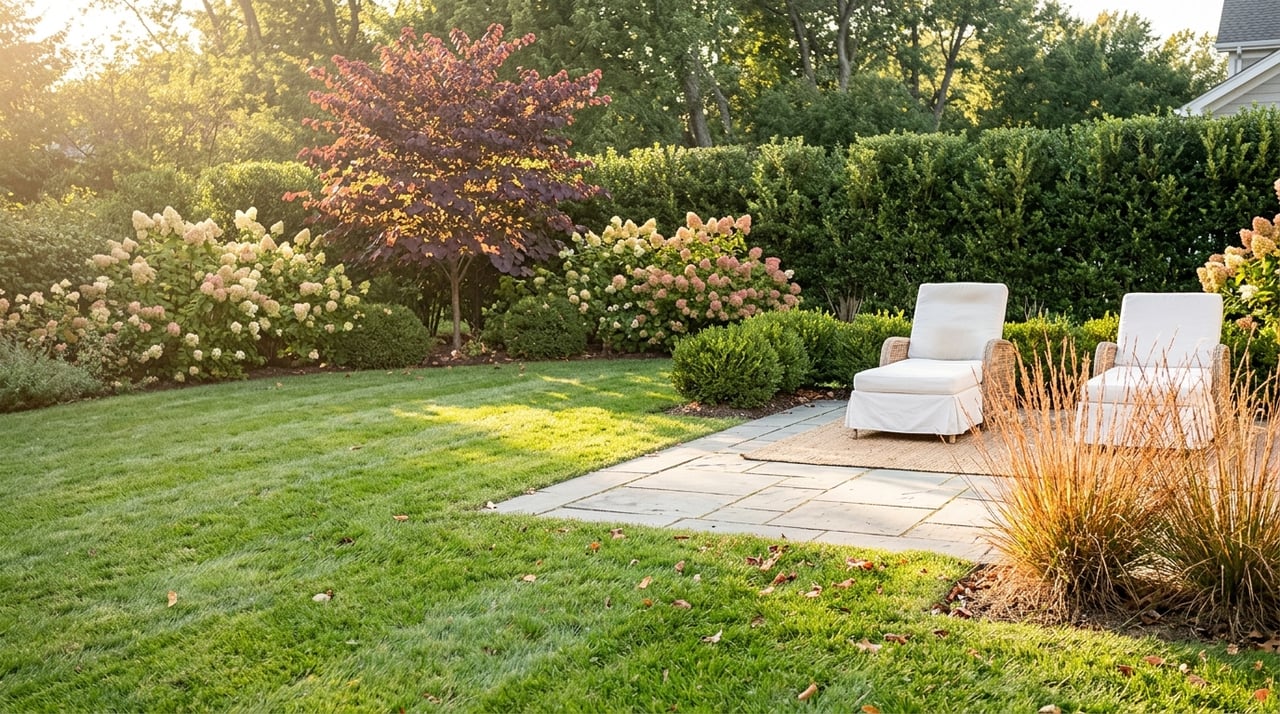
If your budget is limited, you do not have to stage every room. Research shows buyers tend to care most about the living room, primary bedroom, and kitchen. Sellers also often focus on the dining room and outdoor spaces.
That means you can prioritize the rooms that do the most work in photos and showings. Guest rooms and children’s rooms usually matter less, so they may not need the same level of attention if you are trying to keep costs under control.
Vacant homes can be harder for buyers to read. Empty rooms may look smaller, colder, or less functional in photos and in person. Full staging solves that by bringing in rented furniture, rugs, art, and accessories so the space feels complete and easier to understand.
This is usually the most expensive option because it involves furniture rental, delivery, setup, and removal. Even so, it can be worth considering if your home will be empty at launch or if the layout needs help telling a clear story.
Staging costs vary based on how much help your home needs. National data in the research report gives a useful range for setting expectations.
Here is a simple breakdown:
| Staging type | Typical cost range |
|---|---|
| Consultation only | About $150 to $600 |
| Agent-staged listing | About $500 median |
| Professional staging service | About $1,500 median |
| Occupied staging | About $1,000 to $3,000 |
| Vacant staging | About $3,000 to $6,000+ |
Bankrate also reports a typical seller cost of $837 to $2,924, with an average of $1,844. For vacant homes, furniture rentals may add about $500 to $600 per room per month.
For most sellers, the better question is not just “How much does staging cost?” but “What level of staging makes sense for this home?” A right-sized plan often brings more value than a one-size-fits-all approach.
Staging tends to be most helpful when your home has a presentation problem, not necessarily a property problem. If the home is occupied and visually crowded, if the decor feels very specific to your taste, or if the layout is awkward, staging can make the space easier for buyers to understand.
It can also be especially useful when the home will be vacant by the time it hits the market. Empty homes often need help creating warmth and scale, especially online where buyers make snap judgments from photos.
In NAR’s 2025 survey, 49% of sellers’ agents said staging reduced time on market, and 29% of agents saw a 1% to 10% increase in the dollar value offered. That does not mean every home needs full staging, but it does support the idea that thoughtful presentation can improve your result.
Not every Wheaton home needs a major staging investment. If your home is already clean, neutral, well-lit, and furnished in a way that shows room size and function clearly, you may only need targeted prep.
In that case, focus on the basics before listing:
This kind of preparation can go a long way, especially in a market where buyers move quickly and listings need strong photos from day one.
Staging works best when it is done before your home is photographed and launched. Buyers place high value on photos, traditional staging, video tours, and virtual tours, so your home should be fully ready before marketing begins whenever possible.
The process usually starts with a walk-through or consultation. From there, the work may include decluttering, cleaning, minor repairs, furniture edits, and, if needed, delivery and setup of rental pieces. If your home stays on the market for a while, upkeep may also be needed every two to four weeks to keep it show-ready.
That is why pre-listing planning matters. The earlier you decide on your prep strategy, the easier it is to coordinate everything in the right order.
For most Wheaton sellers, the best answer is not yes or no. It is how much staging does your home need to compete well? In a market where buyers are active and comparing homes quickly, presentation matters, but it should still be tied to your home’s condition, timeline, and price point.
A practical strategy often looks like this:
That kind of design-led planning helps you spend where it counts and avoid paying for work that will not move the needle.
If you want to sell your Wheaton home with a clear, cost-conscious staging plan, working with a design-minded local expert can make the process feel much simpler. Nancy Winchester helps sellers prepare, position, and market their homes with practical staging guidance and a strategy built around what today’s buyers actually notice.
Stay up to date on the latest real estate trends.
Born from a passion for both real estate and design, I bring a unique perspective to every transaction. With years of experience in sales and a trained eye for interiors, I help sellers showcase their homes with creativity and minimal expense, giving them a competitive edge in today’s market.
NANCY WINCHESTER
10 N Martingale Rd Ste 400 Schaumburg IL 60173