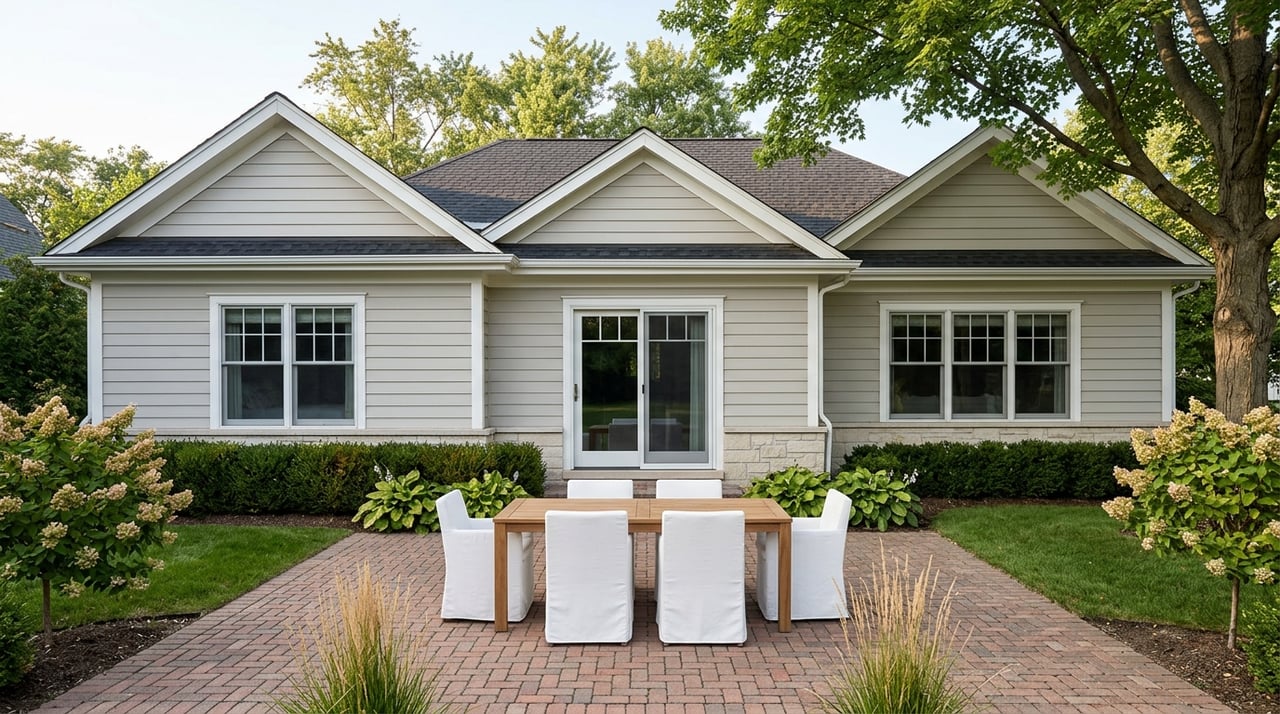
Glen Ellyn Fixer-Upper Homes With Real Potential
June 25, 2026
June 25, 2026
If you have ever walked into a Glen Ellyn home and thought, this could be amazing with the right updates, you are not alone. Many buyers here are not just looking for perfect finishes. They are looking for solid homes with good bones, smart layouts, and room to improve over time. The good news is that Glen Ellyn’s housing stock gives you real opportunities to find that kind of property if you know what to look for. Let’s dive in.
Glen Ellyn has a mature housing stock, which is often exactly what renovation-minded buyers want. According to the 2020-2024 ACS profile, the median year built is 1971, with 31.0% of homes built from 1940 to 1969, 30.9% built from 1970 to 1989, and 16.0% built before 1940.
That age mix matters because it means you are likely to see a wide range of home styles, layouts, and update levels. Instead of only finding newer turnkey homes, you can often evaluate properties for cosmetic changes, kitchen reworks, layout improvements, or additions that better match how you live.
Glen Ellyn is also largely a detached single-family market. Detached single-family homes account for 62.1% of the housing stock, and single-family residential land use covers 46.3% of the village’s acreage. For buyers, that often means more chances to find homes with yards, garages, and footprints that may support future improvements.
Not every older home is renovation-friendly in the same way. In Glen Ellyn, the easiest homes to evaluate are often detached single-family properties with straightforward footprints, standard lot patterns, and space to improve without dramatically changing the home’s overall scale.
The village’s historic character guidance gives useful clues about what tends to fit well here. Common features include consistent front and side setbacks, rear garages, front porches, windows facing the street, and modest scale compared with neighboring homes. Homes that already fit those patterns may be easier to update in a way that works with the block.
You will also see a variety of classic architectural styles in older parts of Glen Ellyn. The village identifies Colonial Revival, Tudor Revival, Cottage, American Foursquare, Craftsman Bungalow, Dutch Colonial, Prairie, and Ranch homes as common styles. That variety can be appealing if you want character, but it also means every renovation should be evaluated in the context of the home’s existing design.
When you tour homes, it helps to look past paint color, flooring, and dated fixtures. Cosmetic issues are usually easier to solve than awkward massing, limited expansion options, or site constraints.
In Glen Ellyn, a renovation-friendly home often has a layout you can work with instead of fight against. That might mean a simple rectangular footprint, an unfinished or underused upper level, or rear-yard space that could support an addition, subject to local rules.
Local zoning context matters here. Glen Ellyn’s code allows some vertical additions or enclosure and reconstruction over existing perimeter walls when setbacks and other bulk rules remain satisfied. That does not mean every home can be expanded easily, but it does mean some properties may offer clearer paths for improvement than others.
Another reason Glen Ellyn can work well for renovation-minded buyers is the size of many homes. The ACS profile shows that 32.0% of homes have 4 bedrooms, 28.8% have 3 bedrooms, and the median number of rooms is 7.0.
That room count can support a phased approach. You may be able to move in, update finishes first, and tackle bigger projects later rather than trying to do everything at once.
For many buyers, that is the sweet spot. You get a livable home today, then improve kitchens, baths, flooring, lighting, or layout details over time based on budget and priorities.
One of the most important things to understand is the difference between a home that needs finish updates and one that may require more involved work. In Glen Ellyn, projects that change the building envelope or add to the structure are much more likely to trigger permit-level review than simple interior finish changes.
That distinction can shape both your budget and your timeline. A home that needs paint, lighting, flooring, and a kitchen refresh may be very different from a home that needs a larger footprint, structural changes, or exterior rework.
As you compare homes, ask yourself:
This is where a design-minded home search can make a big difference. The goal is not just to find a house with problems you can fix. It is to find a house where the improvements are practical, cost-conscious, and aligned with resale potential.
In Glen Ellyn, permit requirements can affect both planning and cost, so it is smart to look into them early. The village requires permits for demolition over 300 square feet, new buildings, enlarged, altered, or remodeled existing buildings, roofing over 300 square feet or more than 20% of the roof area, siding over 300 square feet or more than 20% of wall area, and many exterior mechanical or site changes.
That means even projects that seem straightforward can involve more review than buyers expect. If you are considering a home because of its renovation upside, permit triggers should be part of your evaluation before you commit.
Accessory structures matter too. If you are thinking about a detached garage, shed, or similar exterior improvement, those are also regulated by size and setback rules. It is always better to confirm what may be feasible than assume a project will work.
Historic character is part of what many buyers love about Glen Ellyn, especially near downtown. The village’s preservation materials emphasize older neighborhood patterns such as front porches, street-facing windows, rear garages, trees, and consistent setbacks.
For some buyers, that may sound limiting. In practice, it often means your renovation should work with the home and the block rather than compete with them.
The village’s preservation program encourages renovation over replacement for historic properties and views compatible additions more favorably than tear-downs. So if you love an older home, renovation is not off the table. It just needs to be approached thoughtfully.
Not every part of Glen Ellyn presents the same renovation questions. Homes near downtown may be influenced more by historic context, existing neighborhood patterns, and lot conditions. Other areas of the village may offer different footprints, lot patterns, and expansion possibilities.
Downtown Glen Ellyn is listed on the National Register of Historic Places, and the village identifies downtown, the Roosevelt Road corridor, and Stacy’s Corners as distinct business districts. Buyers often weigh this broader setting along with the home itself, especially if they want a certain lifestyle, commute, or neighborhood feel.
Transit can also factor into the decision. The downtown Metra station offers a rush-hour trip of about 36 minutes to Chicago’s Loop, which may affect how you value location when comparing a move-in-ready home with a renovation project.
A smart renovation search starts with clarity. Before you fall in love with charm alone, define which improvements you are comfortable making and which ones could stretch your time or budget too far.
Here are a few practical ways to narrow your search:
Look for homes with appealing lot placement, workable room flow, and exterior forms that do not require a complete redesign. A dated interior is often easier to solve than a difficult site or awkward footprint.
Homes with enough bedrooms and room count can give you flexibility while you update. Since 3-bedroom and 4-bedroom homes are common in Glen Ellyn, you may have opportunities to find homes that function now and improve later.
Rear-yard space, garage placement, roof shape, and existing setbacks all matter when you are thinking about additions or exterior changes. These factors can tell you a lot about future options before you get deep into planning.
Some of the best renovation-friendly homes are not the ones that need everything at once. They are the ones where you can make smart improvements over time while still enjoying the home.
Finding a renovation-friendly home is not only about square footage or price. It is about understanding where a home’s potential is real and where it may be more expensive or constrained than it first appears.
That is where a practical, design-forward perspective helps. When you can look at a dated kitchen and see whether it needs a full rework or just smarter finishes, you make better decisions. When you can compare two older homes and recognize which one offers simpler improvement paths, you protect your budget and your long-term value.
In a market like Glen Ellyn, that kind of guidance can help you buy with more confidence. You are not just chasing charm. You are choosing a home with a realistic path to becoming what you want it to be.
If you are exploring Glen Ellyn homes and want help spotting real renovation upside, Nancy Winchester offers a practical, design-minded approach to help you evaluate layout potential, cosmetic improvements, and next-step opportunities with confidence.
Stay up to date on the latest real estate trends.
Born from a passion for both real estate and design, I bring a unique perspective to every transaction. With years of experience in sales and a trained eye for interiors, I help sellers showcase their homes with creativity and minimal expense, giving them a competitive edge in today’s market.

NANCY WINCHESTER
10 N Martingale Rd Ste 400 Schaumburg IL 60173