How to Sell a West Chicago Home While Living There
July 9, 2026
July 9, 2026
Selling a home is stressful enough. Living in it while strangers tour your kitchen, open your closets, and text for last-minute showings can make it feel even harder. The good news is that with the right plan, you can keep your West Chicago home market-ready without turning daily life upside down. Let’s dive in.
In West Chicago, many sellers are not moving out before listing. With a 70.9% owner-occupied housing rate and an average of 3.35 people per household, it is common for sellers to be balancing work, school schedules, pets, and everyday routines while their home is on the market.
That matters because occupied homes do not just need to look good once. They need to show well again and again. A smart plan focuses on quick resets, simple staging, and marketing that helps reduce unnecessary disruption.
When buyers look at a home, a few spaces carry more weight than others. In 2025 staging research, buyers' agents said the living room, primary bedroom, and kitchen were the most important rooms to stage.
That does not mean you need to stage every room like a magazine spread. It means you should put your time and energy where it is most likely to pay off. For most West Chicago sellers, that starts with the spaces you use every day.
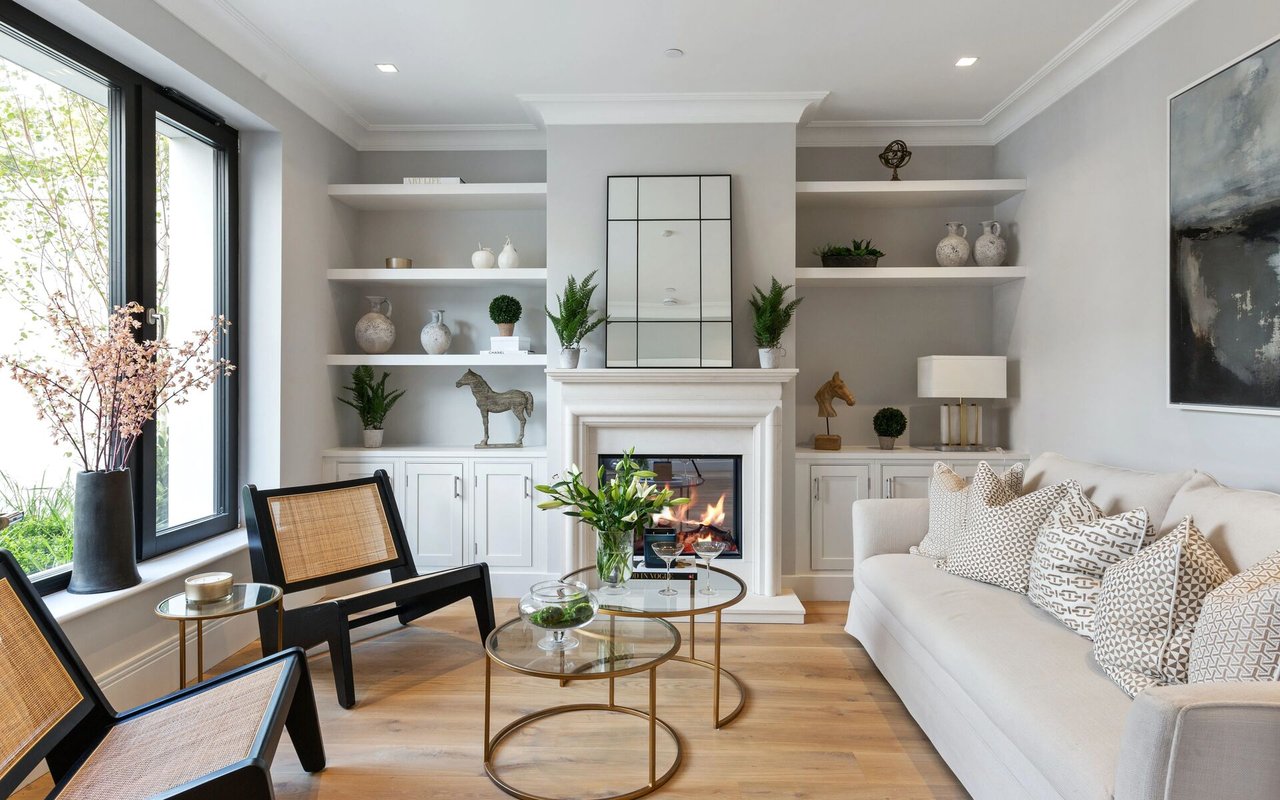
Your living room often shapes the first emotional impression of the home. Keep traffic paths open, reduce extra furniture, and clear off side tables and media consoles.
A few intentional touches can go a long way. Think neat pillows, one simple tray on the coffee table, and good lighting. The goal is to help buyers picture how the room functions, not to make it feel overdesigned.
Your primary bedroom should feel calm and spacious. Make the bed daily, clear dressers, and remove most personal items.
If you have oversized furniture or a crowded sitting area, consider editing it down. Buyers respond better to a room that feels open and restful than one filled with too many pieces.
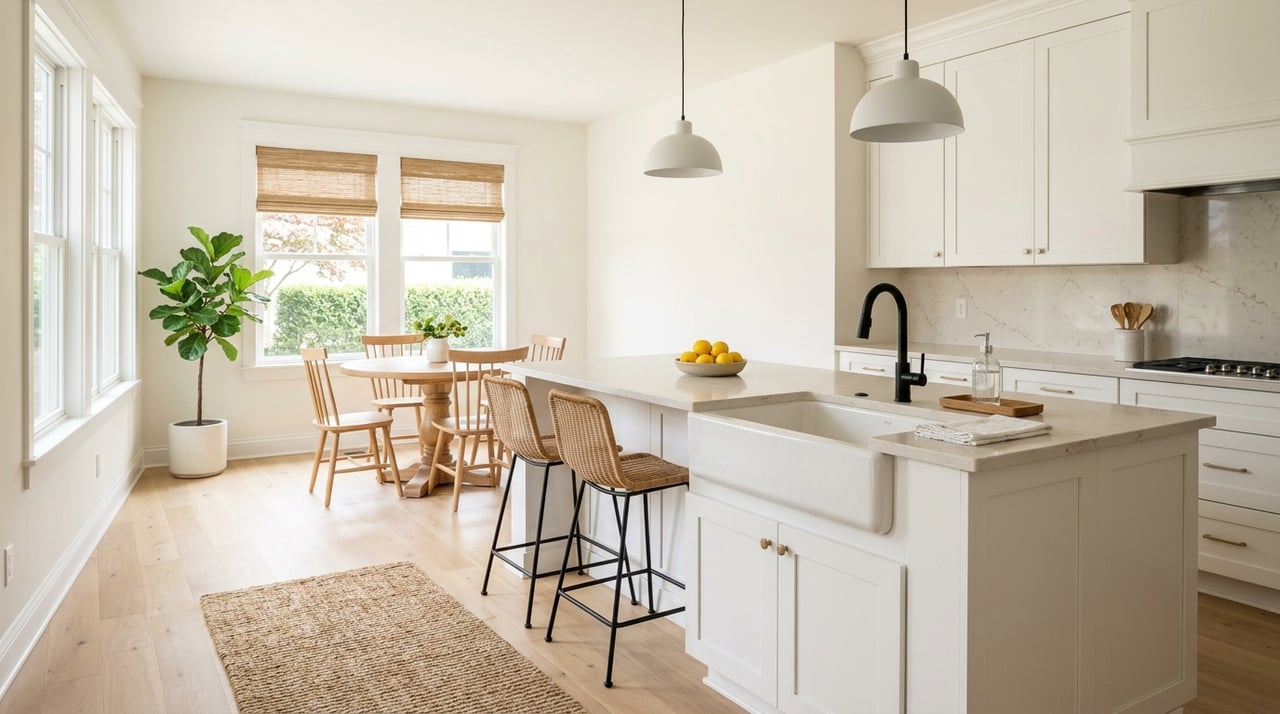
Kitchens do not have to be fully remodeled to show well. Clear counters, put away small appliances you do not use daily, and keep the sink spotless.
Good light matters here. If a bulb is dim or mismatched, replace it. Buyers notice bad lighting, and it can make even a clean kitchen feel tired.
If you are still living in the home, perfection is not the goal. Consistency is. A repeatable routine helps you get the house ready fast without feeling like you are starting from scratch each time.
For many households, the easiest plan is a 15-minute morning reset and a 10-minute exit routine before showings. That keeps the home functional for real life while still ready for buyers.
Decluttering is one of the most effective ways to prepare an occupied home. It helps rooms look larger, photographs better, and makes it easier for buyers to focus on the home itself.
It is also one of the most practical ways to make your own life easier during the listing period. The less you have on surfaces, the less you have to move before each showing.
Start by packing items you do not need every day. Off-season clothes, extra decor, rarely used kitchen gear, and personal collections are easy places to begin.
This does two things at once. It preps you for the move and helps the home feel more open to buyers.
Many sellers make the mistake of stuffing closets to hide clutter. Buyers often open storage spaces, and crowded closets can make the home feel short on storage.
Instead, aim to remove enough so shelves and hanging areas look usable. Organized space reads better than packed space.
Strong marketing is not just about attracting attention. It can also make your life easier while living in the home.
Staging research found that buyers' agents place high importance on photos, videos, and virtual tours. When your listing media is clear, bright, and honest, buyers can screen the home better before asking for a showing.
Professional-looking photos matter, but they should still match what buyers will actually see in person. If images feel overly edited or unrealistic, buyers may show up disappointed.
A well-prepared home with accurate, well-lit photos tends to create better expectations. That can lead to more serious interest and fewer wasted showings.
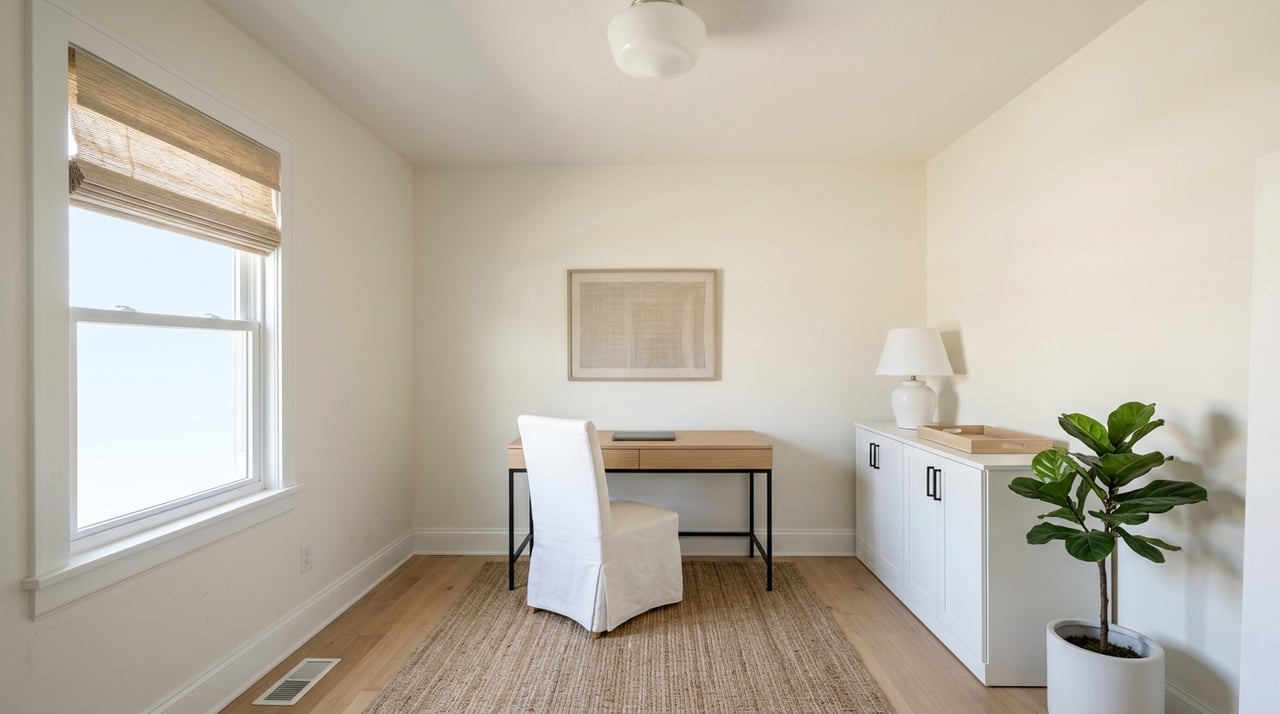
If you work from home, a tidy office nook can add value to the story of the house. It does not need full staging, but it should look intentional and uncluttered.
The same goes for children's rooms. They do not need to look empty, but they should be easy to understand, easy to walk through, and simple to reset.
Pets can add stress to an occupied sale if you wait until the last minute. Bowls, litter boxes, toys, and odors can distract buyers, even when the rest of the home is clean.
The best solution is to make a pet plan before your home goes live. That way, every showing follows the same routine.
Occupied homes require thoughtful access. Showings should be by appointment, with clear instructions and a consistent process.
This helps protect your privacy and keeps the experience more comfortable for everyone. It also supports fair and consistent access for all prospective buyers.
Before your home is listed, remove or lock away:
You should also keep lockbox and access details controlled. The goal is simple: make the home easy to show, but not careless to access.
Many buyers feel more comfortable exploring a home when the seller is not there. It helps them talk openly and picture themselves in the space.
If you can, step out for showings and keep the process as smooth as possible. Even a short walk or coffee run can make a difference.
You do not need a major renovation to improve your sale outcome. In many cases, the most effective updates are modest, visible, and affordable.
For an occupied West Chicago home, the best improvements are usually the ones that make daily upkeep easier while also improving presentation.
These changes can improve both photos and in-person showings. They also align with what buyers tend to notice first, including lighting, maintenance, and overall care.
Illinois sellers must complete the residential real property disclosure report and provide it before the contract is signed. If you learn about an error, inaccuracy, or omission before closing, you must provide a supplemental disclosure.
The law requires disclosure of material defects you actually know about. It does not require you to perform a specific investigation, but it does make good recordkeeping important.
When you are living in the home, paperwork can easily end up scattered in drawers or files. Pulling it together early makes the process smoother once offers start coming in.
If your home was built before 1978, there are additional lead-based paint disclosure requirements. Sellers must disclose known lead-based paint or lead-hazard information, include required warning language in the contract, provide the EPA pamphlet, and give buyers a 10-day opportunity to test for lead.
If you are making repairs or painting that could disturb older painted surfaces, be careful about how the work is done. Lead-safe renovation practices matter, and homeowners should not try to remove lead-based paint themselves.
An occupied home does not need to feel vacant or perfect to sell well. It needs to feel clean, cared for, and easy to understand.
That is where a light-staging plan can help. Instead of spending heavily on full-scale updates, you can focus on the changes that improve flow, photos, and buyer confidence.
Professional staging services had a 2025 median cost of $1,500, while seller's agents who handled staging reported a median cost of $500. That is a useful reminder that thoughtful, targeted presentation can often do more than expensive renovation.
If you want the strongest result while still living in your home, the best approach is practical and consistent. With a clear prep plan, repeatable showing routine, and design-minded guidance, you can protect your daily life and still present your West Chicago home at its best.
If you are thinking about selling and want a smart, low-stress plan for prepping your home while you still live in it, Nancy Winchester can help you create a staging-focused strategy tailored to your timeline, budget, and routine.
Stay up to date on the latest real estate trends.
Born from a passion for both real estate and design, I bring a unique perspective to every transaction. With years of experience in sales and a trained eye for interiors, I help sellers showcase their homes with creativity and minimal expense, giving them a competitive edge in today’s market.
NANCY WINCHESTER
10 N Martingale Rd Ste 400 Schaumburg IL 60173