West Chicago Neighborhoods for Move-Up Home Buyers
February 19, 2026
February 19, 2026
If your current home feels a size too small, West Chicago gives you room to grow without losing convenience or budget control. You can trade up for more bedrooms, a bigger yard, or a newer floor plan while staying close to commuter rail, forest preserves, and a lively small‑downtown vibe. In this guide, you’ll learn where to look, what home styles to expect, and realistic price bands for move‑up buyers. You’ll also get a simple checklist to match your next home to your lifestyle. Let’s dive in.
West Chicago is a DuPage County city with a population in the mid‑25,000s and a median household income around $100,500, according to U.S. Census QuickFacts. Citywide indicators and aggregator snapshots show typical home values clustering in the low‑to‑mid 300s, with pocket‑by‑pocket variation. Use current MLS comps for exact numbers when you are ready to write an offer.
Commuters appreciate the Metra Union Pacific West line at the West Chicago station. The ride to downtown Chicago commonly runs about 45 to 70 minutes depending on the train, and you are roughly 29 to 30 miles from the city center. Get a feel for the station and line details on the West Chicago Metra station overview.
Lifestyle extras are a real draw here. The Illinois Prairie Path and Great Western Trail connect neighborhoods to downtown trailheads, and local preserves like Timber Ridge and West Chicago Prairie expand your weekend options. Explore the Illinois Prairie Path map and highlights to see how those connectors can shape your daily routine.
West Chicago does not use strict, formal neighborhood names. Instead, you will hear agents and locals refer to practical pockets based on housing type, age, and location. Here are the ones move‑up buyers ask about most.
The downtown core is compact and walkable, with restaurants, shops, and a Metra stop at its center. City planning materials describe this as a mixed‑use district with commuter access and a traditional Main Street feel. For a quick snapshot of the city’s economic centers and active sites, see the West Chicago Now site‑selection pages.
What you will find: small historic houses, early‑20th‑century foursquares, and a handful of condos or small multifamily buildings near the rail corridor. If you value a short walk to coffee, the train, and the Prairie Path, start here. Lot sizes are modest, and large estate‑style homes are rare in this pocket.
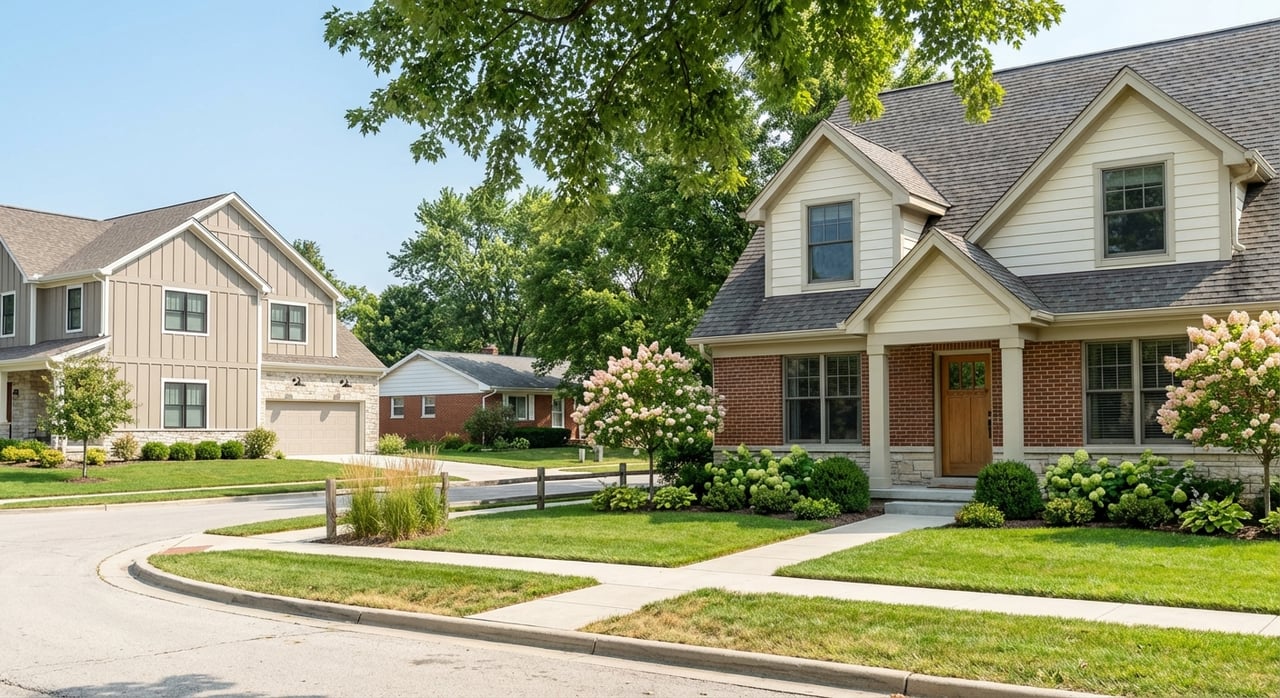
Much of West Chicago features mid‑century ranches, Cape Cods, split‑levels, and traditional two‑story homes on suburban lots. Many were built from the 1950s through the 1970s. These areas are popular with buyers moving up from a starter home who want more bedrooms, a second living space, or the chance to remodel with an open kitchen. Owner occupancy is common across the city per Census QuickFacts.
Indian Knoll is one of the city’s best known, locally named areas. It offers a mix of ages and styles, from older homes to newer builds, on lots that range from suburban parcels to acre‑plus. Local coverage highlights its wooded setting and semi‑rural feel within city limits, with values spanning from modest to high end. Get the flavor from this Daily Herald neighborhood profile. If you want privacy, room for a garden, or space for an addition, include Indian Knoll on your tour list.
If you are after a larger two‑story home with a contemporary layout, look for late‑1990s to 2000s subdivisions along the city’s edges. Cornerstone Lakes is a prime example on the north side. Here you will see 3 to 5 bedroom homes, open kitchens, multiple baths, and many floor plans over 2,000 square feet. These neighborhoods often price above the city median and appeal to buyers who want turnkey space without paying premiums seen in nearby Naperville or St. Charles. Parts of Cornerstone Lakes feed into St. Charles schools. Always verify attendance boundaries for the specific address.
On the city’s edge near St. Andrews Golf Club, Prairie Landing, and along select county roads, you will find larger lots and custom or semi‑custom homes. Values can reach high five‑hundreds into the millions for the largest parcels, based on local reporting and periodic listings. If you want a true estate feel, start at the outer edges and in woodsy corridors, including parts of Indian Knoll.
Route 59, Roosevelt Road, and North Avenue frame much of the city’s retail and office space. Housing here includes townhouse clusters, condo buildings, and older single‑family subdivisions. If you want quick access to shopping and major roads for car commuting, explore these edges. City materials identify these as core business districts, which you can scan on the West Chicago Now site‑selection pages.
Around downtown and near early rail corridors, you will find smaller historic homes and some American Foursquare or vernacular styles. The local Kruse House museum gives you a glimpse into the era’s design and scale.
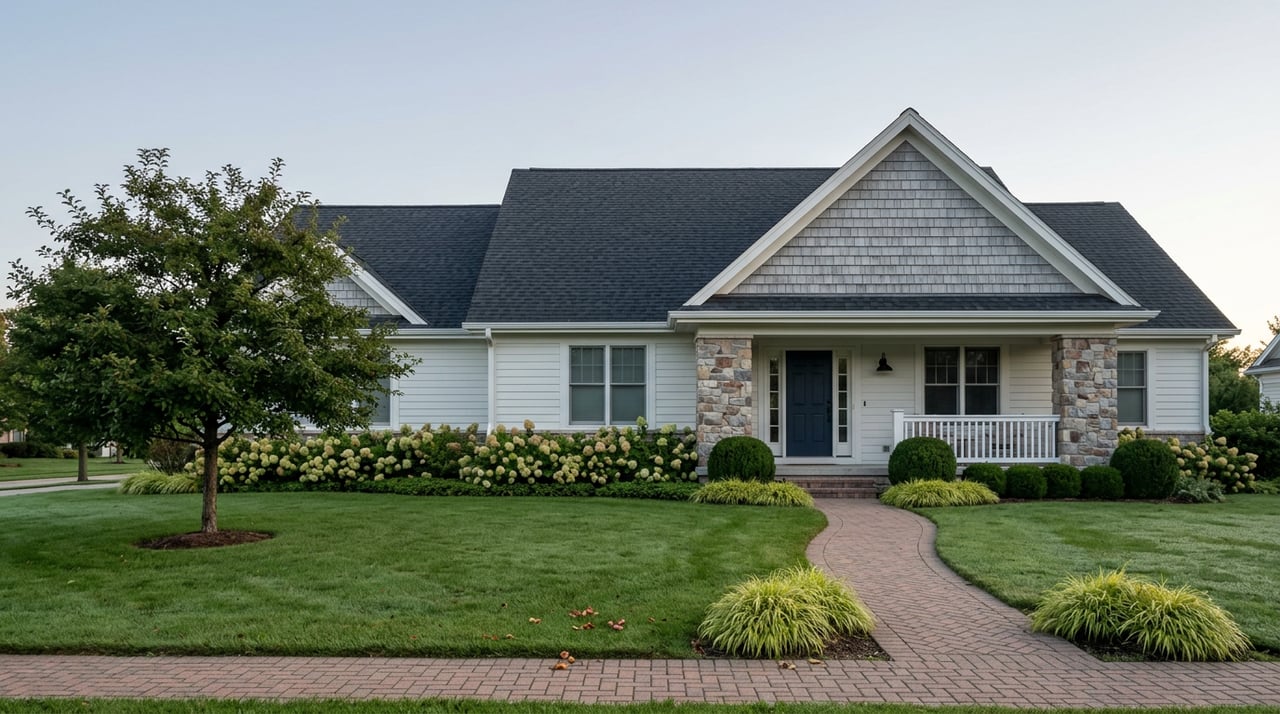
Ranches, Cape Cods, and split‑levels dominate many established neighborhoods. These are strong move‑up candidates if you like the idea of customizing a floor plan, finishing a basement, or adding a bath to create a primary suite.
Expect larger two‑story Colonials and contemporary family plans, often with 2,000 to 4,000 plus square feet, multiple baths, and attached garages. Cornerstone Lakes and similar communities were largely built from the late 1990s through the early 2000s. These homes trade at a premium to the city median but often deliver excellent space per dollar compared with some neighboring suburbs.
You will see attached options near major corridors and in or near downtown. These can offer a low‑maintenance lifestyle and a more accessible price point if you are right‑sizing from a single‑family home or prefer newer finishes without yard work.
Prices vary by pocket, home age, and school district. Use these bands as a starting framework, then refine with live MLS comps.
Citywide medians reported by aggregators often hover in the low‑to‑mid 300s, but month‑to‑month shifts happen and neighborhoods can behave differently. Always check recent solds and days on market before you set expectations for negotiation.
A good move‑up decision blends space with daily convenience. Use this checklist to zero in on a best‑fit pocket.
If you are cross‑shopping, here is the big picture based on widely reported snapshots:
Use exact MLS comps to quantify the gap for your target floor plan and school district.
Define must‑haves. List the non‑negotiables: bedroom count, yard size, commute window, and school attendance area.
Pick three pockets to tour. For example, compare a mid‑century area, a late‑1990s subdivision, and a woodsy large‑lot pocket like Indian Knoll. Seeing contrasts makes the decision clearer.
Pull micro‑market data. Ask for recent solds, list‑to‑sale ratios, and days on market for your short list. Some months are more competitive than others, and strategy should reflect that.
Align financing and timing. Secure pre‑approval, discuss a buy‑before‑sell or sell‑then‑buy path, and plan your closing timeline to minimize overlap.
Weigh improvements vs. price. Price out paint, flooring, lighting, and bath refreshes against the premium for newer construction. The right tweaks can turn a solid house into your long‑term fit.
Inspect for long‑term value. Review roof, HVAC, windows, drainage, and room to expand. A home that checks these boxes can carry you comfortably for years.
Ready to explore homes that fit your life now and later? With design‑forward advisory, staging expertise, and deep neighborhood knowledge, Nancy Winchester can help you compare pockets, test renovation ideas, and negotiate the right move‑up home in West Chicago.
Stay up to date on the latest real estate trends.
Born from a passion for both real estate and design, I bring a unique perspective to every transaction. With years of experience in sales and a trained eye for interiors, I help sellers showcase their homes with creativity and minimal expense, giving them a competitive edge in today’s market.

NANCY WINCHESTER
10 N Martingale Rd Ste 400 Schaumburg IL 60173