Trying to choose between a townhome and a single-family home in Roselle can feel like comparing apples to oranges. You might be weighing budget, yard space, HOA fees, and the daily commute into the city. The good news is you can make a clear choice by looking at Roselle-specific costs and lifestyle details side by side. In this guide, you’ll get a simple framework, local price context, and a practical checklist to decide with confidence. Let’s dive in.
Roselle snapshot: prices and context
Recent aggregator snapshots in late 2025 through January 2026 show Roselle’s median sale prices in the mid-to-upper $300Ks. Townhomes and condos commonly price below single-family homes, with examples around the low-to-mid $200Ks up to the $300Ks for many attached units, and single-family homes often in the $300K–$600K range depending on size and updates. Medians can shift month to month, so verify current figures as you shop.
Roselle spans mostly DuPage County with a smaller area in Cook County. Property taxes vary by address and taxing bodies. County averages provide context: DuPage is about 2.09% and Cook is about 1.98% for effective property-tax rates, but individual bills can be higher or lower depending on local levies. You will want to estimate taxes for the exact parcel using county tools and recent assessments. For daily travel, Roselle’s Metra MD‑W station and proximity to I‑390 help many commuters.
Cost comparison: townhome vs single-family
Upfront price and buying power
- Townhomes in Roselle often start in the low-to-mid $200Ks and run into the $300Ks for many units, with higher-end options in select communities.
- Single-family homes typically range from the low $300Ks to $600K+ based on lot size, updates, and location.
- Your down payment and comfort with monthly costs will guide which segment delivers the space and features you want.
HOA dues vs maintenance
- Townhomes often carry HOA dues roughly in the $200–$350 per month range in Roselle communities. Dues commonly include some mix of exterior maintenance, common insurance, lawn care, snow removal, and trash. Always confirm what is covered.
- Single-family owners pay for all exterior and yard care themselves. A useful planning rule is to set aside about 1%–3% of the home’s value each year for maintenance and repairs, up to 4% for older homes. On a $400,000 house, that is $4,000–$12,000 per year depending on age and condition. See budgeting guidance from Fannie Mae’s overview on home maintenance planning.
Insurance differences
- Townhome or condo buyers typically need an HO‑6 policy for interior “walls‑in” coverage and personal property. The association’s master policy covers the building exterior and common areas, depending on policy type.
- Single-family owners usually carry an HO‑3 homeowners policy that covers both the structure and contents. Talk with your insurer about master-policy gaps, deductibles, and loss assessment coverage if you are buying into an association. For an overview of policy types, see this guide to homeowners insurance policies.
Taxes by county and address
- Roselle properties can sit in DuPage or Cook County, and local taxing bodies vary by parcel. County-level effective rates are only a starting point; compute an estimate for the exact address.
- For Cook County, use the county tax estimator. For DuPage, check the assessor and treasurer sites for parcel details. County averages are summarized by the Tax Foundation here: property taxes by county.
Utilities and energy use
- Attached housing often benefits from shared walls that can reduce heating and cooling loads compared with a similarly sized detached home. Actual costs still depend on size, insulation, and equipment. If possible, review utility history for the specific property. For more on how building type influences energy use, see this energy consumption analysis.
Lifestyle and space tradeoffs
Outdoor space, parking, storage
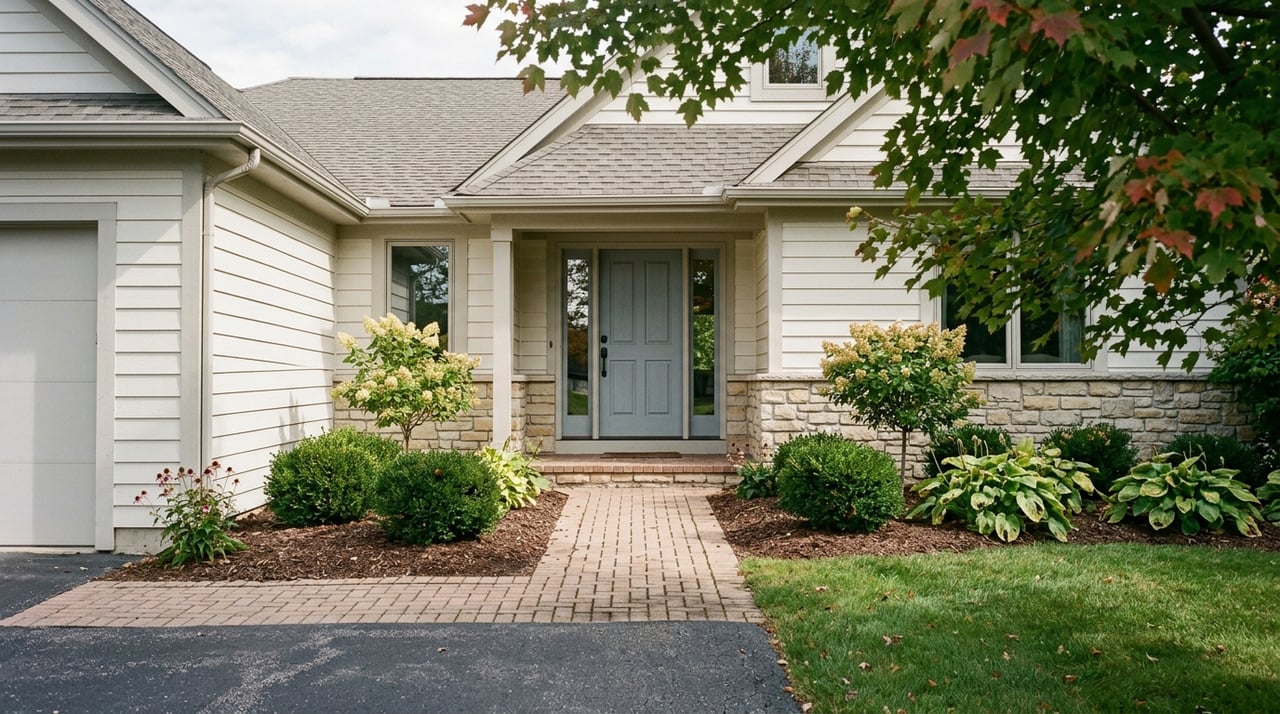
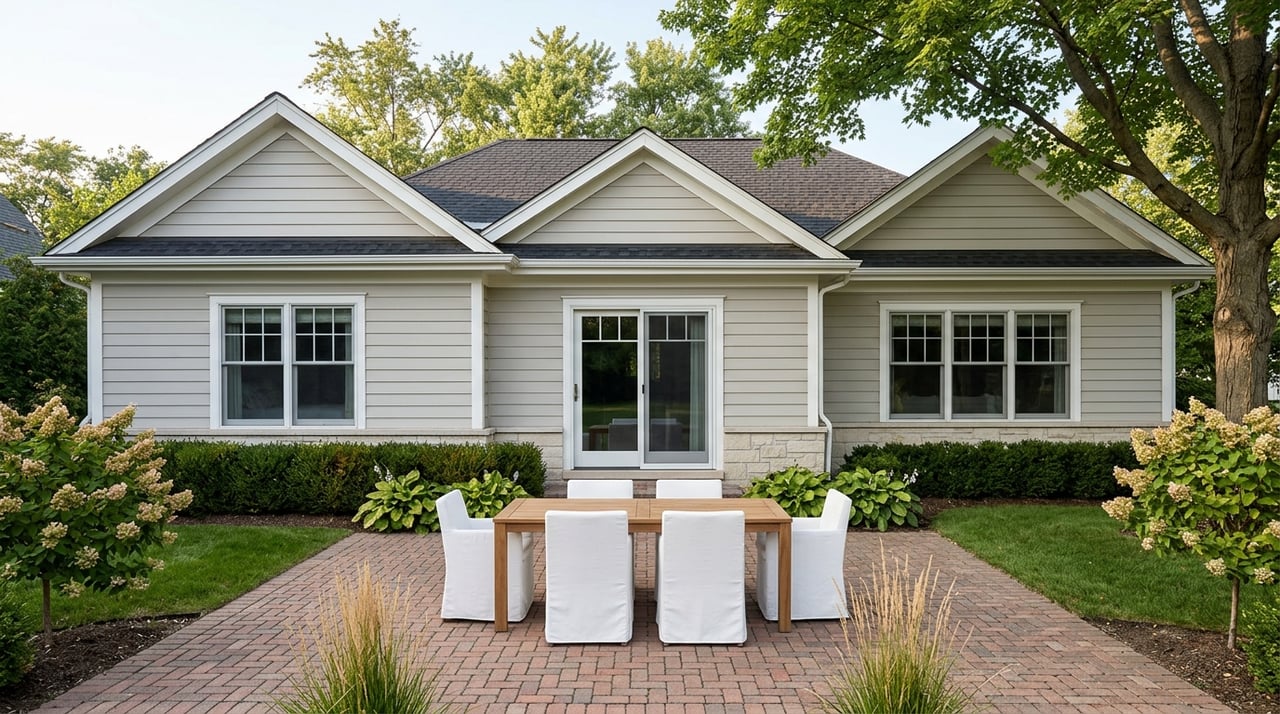
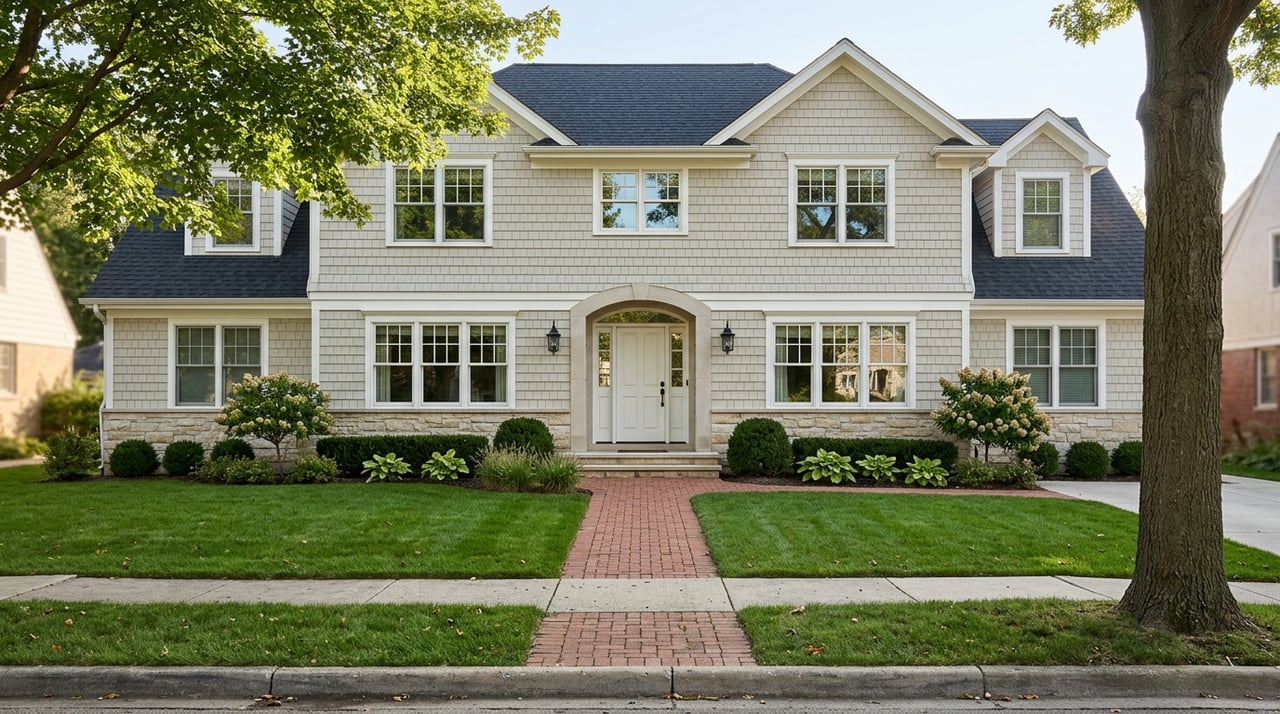
- Single-family homes usually offer private yards, larger lots, and more garage or storage space. This suits gardening, pets, and outdoor entertaining.
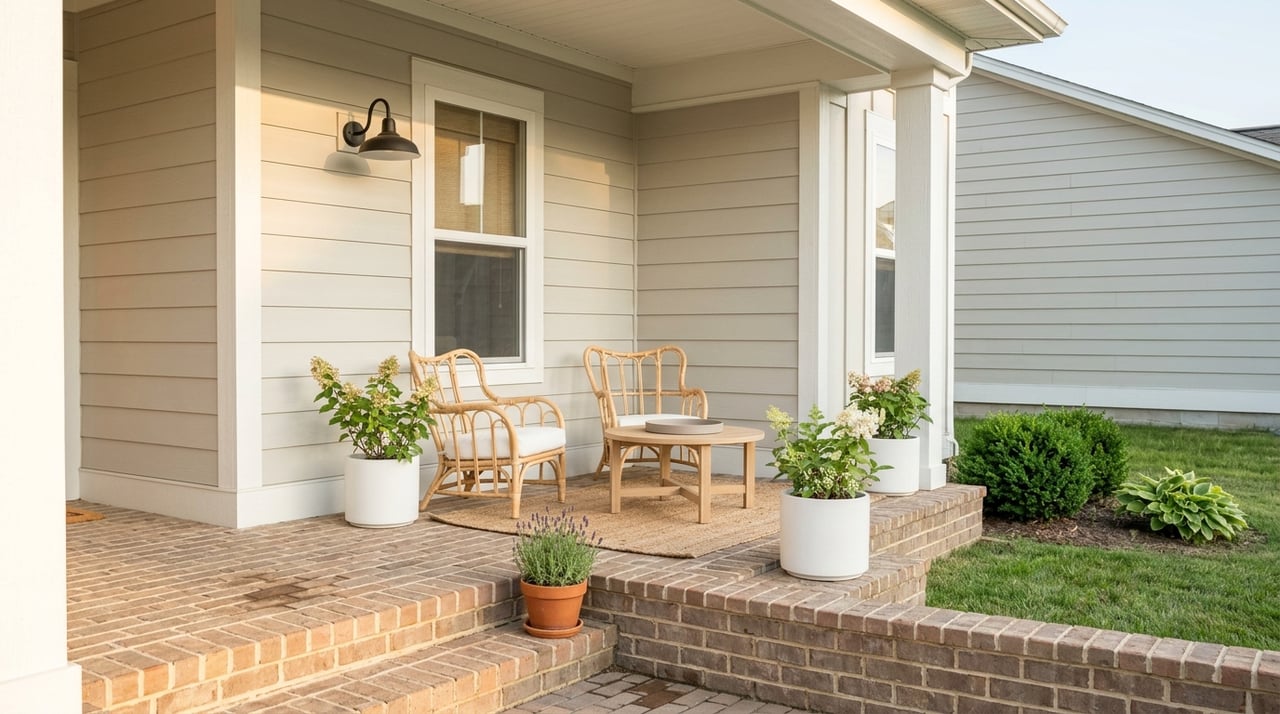
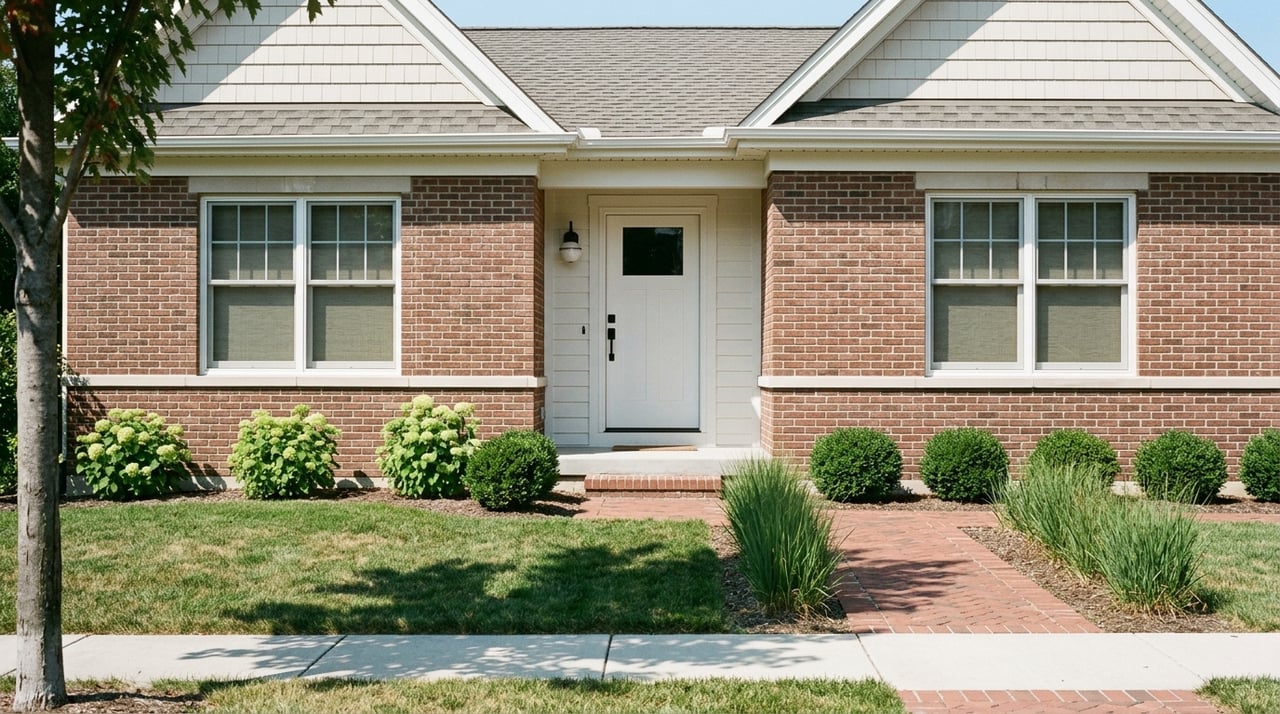
- Townhomes often provide a patio or small yard and may include garage or driveway parking. Many HOAs handle lawn care and snow removal, which can be a plus if you prefer low-maintenance living.
Flexibility and future resale
- Single-family homes typically allow more flexibility for additions or exterior changes, subject to permits and zoning. That can be helpful if you plan to grow into the home.
- Townhome HOAs may limit exterior changes. Resale value depends on demand and supply at the time you sell. In Roselle, townhomes often attract first-time buyers and downsizers because of lower entry prices, while single-family homes draw buyers seeking more space and yard.
Financing to check early
Condo vs fee-simple townhome
- Not all attached homes are the same. Some Roselle townhomes are true condominiums, while others are fee-simple homes within an HOA. Fee-simple ownership can simplify financing and insurance. With condos, your lender may review the project’s financials, insurance, and owner-occupancy.
FHA/VA and condo approvals
- If you plan to use FHA or VA financing for a condo, your lender may require project approval or a single-unit approval. Confirm this early to avoid delays. Learn more about FHA condo eligibility and process on HUD’s site: FHA condo guidance.
Roselle commute and location notes
Metra convenience
- Roselle’s MD‑W Metra station (Zone 4) offers a straightforward commute toward Chicago. The Village site outlines daily parking procedures, permits, and fees. Check current details on Roselle’s commuter parking page.
School districts vary by address
- Roselle addresses feed into multiple elementary districts and two area high school districts. Always verify the assigned district for the specific parcel before you make an offer. The Village’s community resources page lists local districts and organizations for reference: Roselle community organizations.
Your decision checklist
1) Budget math to run
- Mortgage principal and interest at today’s rate.
- Property taxes for the exact parcel (DuPage or Cook). Start with county tools and recent assessments.
- HOA dues (if any), the payment frequency, and exact inclusions.
- Insurance: HO‑6 for condos/townhomes vs HO‑3 for single-family.
- Utilities and an annual maintenance reserve (1%–3% of value; up to 4% for older homes).
2) Property fit questions
- How much private outdoor space do you want this year and five years from now?
- Do you value low-maintenance living over full control of exterior repairs and upgrades?
- Do you plan to remodel or add on in the future?
3) HOA due diligence (if applicable)
- Request the full resale disclosure packet and association documents: declaration, bylaws, budget, recent financials or reserve study, master insurance summary, rules, and recent meeting minutes. Illinois law outlines disclosures under Section 22.1. Review CAI‑Illinois guidance: Illinois condo resale disclosures.
- Confirm if the unit is a condominium or a fee‑simple townhome and what the HOA fee covers (exterior, insurance, snow, lawn, trash, utilities).
4) Financing and approvals
- If using FHA or VA, confirm condo project eligibility or single-unit approval early with your lender. See HUD’s FHA condo guidance.
5) Inspection, insurance, and title
- Get a full home inspection. For HOA properties, identify who is responsible for roofs, siding, and other common elements.
- Review master-policy deductibles and loss assessment exposure. See an overview of policy types and coverage here.
6) Red flags to note
- Low reserves, frequent or pending special assessments, or major litigation against the association.
- High HOA delinquency rates or unclear master-policy coverage.
7) Operational checks
- Confirm county (DuPage or Cook), township services, and assigned school district for the address.
- If you commute, review Metra schedules, travel times, and parking options on Roselle’s commuter parking page.
Which is right for you?
Choose a townhome if you prefer a lower entry price, less exterior upkeep, and a simpler daily routine. Many Roselle townhomes include lawn and snow in the dues, which can save time. Just be sure to verify HOA finances and rules.
Choose a single-family home if you want more space, a private yard, and flexibility for future changes. Factor in higher maintenance and potential utility costs, and budget for ongoing repairs. The right pick is the one that fits your lifestyle and long-term plans.
Ready for local guidance?
If you want a calm, step-by-step path to the right Roselle home, you can lean on design-forward advice and clear cost breakdowns. From comparing HOA coverage to spotting smart cosmetic upgrades, you will have a partner to help you buy with confidence or prepare your current home to sell for top value. When you are ready to talk next steps, reach out to Nancy Winchester for a local plan that fits your goals.
FAQs
What are typical HOA fees for Roselle townhomes?
- Many Roselle townhomes list HOA dues around $200–$350 per month, but coverage and amounts vary by community; always verify what the fee includes.
How do Roselle property taxes differ between DuPage and Cook?
- County averages suggest DuPage near 2.09% and Cook near 1.98% for effective rates, but your actual bill depends on the exact parcel and local levies; use county tools to estimate.
Can I use FHA to buy a Roselle condo or townhome?
- Yes, but condos often require project or single-unit approval; confirm early with your lender and review HUD’s FHA condo guidance for timelines and requirements.
What should I review in an HOA before I make an offer?
- Ask for the resale disclosure packet, bylaws, rules, budget, reserve study, insurance summary, and recent meeting minutes; look for reserves, planned projects, and any special assessments.
Are utilities usually lower in a townhome than a single-family home?
- Often, yes, because shared walls can reduce heating and cooling loads, but actual costs depend on size, insulation, equipment, and usage; request utility history if available.
Is a townhome a good investment in Roselle?
- Townhomes can offer a lower entry point and steady demand from first-time buyers and downsizers; focus on HOA health, reserves, and location to support future resale potential.