Best Time to Sell Your Roselle Home: Seasonal Guide
January 1, 2026
January 1, 2026
Thinking about selling your Roselle home and wondering when to list? Timing can shape how fast you get an offer and how close you land to your asking price. In the western Chicago suburbs, seasonality is real, and a smart plan can put you in front of the most motivated buyers. In this guide, you’ll learn how Roselle’s market typically moves through the year, which months tend to perform best, what numbers to watch, and how to prep your home in 60 days for peak season. Let’s dive in.
Roselle follows the broader Chicago-area pattern where buyer activity increases after winter and peaks in spring. Families often plan moves around the school calendar, and better weather helps with curb appeal, photos, and showings. That combination usually means shorter days on market and stronger list-to-sale results in spring.
A smaller bump often appears in early fall when buyers refocus after summer. While winter is slower, you can still reach serious buyers if you present and price your home well.
Expect the primary selling season to run from late March through June. Inventory rises as more homeowners list, and buyer competition typically increases. You’ll often see faster market times and a higher share of homes selling near list price in this window.
If you miss spring, early fall can offer a second, smaller window. Buyers who waited through summer often come back, and routines settle after school starts. This period can deliver steady showings with pricing that is solid, though usually not as intense as spring.
Winter tends to bring longer days on market and fewer showings. That said, buyers who are active often have real urgency. With a compelling price, clean presentation, and strategic marketing, you can still achieve a good outcome.
To understand Roselle’s rhythm, look at monthly numbers over the last three to five years. Ask your agent to pull a Roselle-specific snapshot from the local MLS and cross-check trends with public sources.
Review median days on market by month to spot the fastest-selling periods. Track both median list price and median sale price to see how asking prices compare with final results. Median figures reduce the impact of outliers.
Calculate the monthly list-to-sale price ratio by dividing median sale price by median list price. When this ratio is higher, buyers are bidding closer to asking price, which often happens in the spring.
Track active listings and new listings by month. Then compute months of supply by dividing inventory by monthly sales. Lower months of supply usually indicate a stronger environment for sellers.
Pending sales confirm buyer demand in real time, while closed sales show completed transactions. Use both to validate what you are seeing in inventory and pricing metrics.
Compare seasonality by price band and home type. A single-family home under a certain price point may move faster than a higher-end property, and condos can show different dynamics altogether.
Late March through June often shows the shortest days on market and the strongest list-to-sale ratios. July and August can still be active, but urgency sometimes eases as buyers travel or focus on summer activities. September and October often bring a smaller rebound in activity before the market slows in November through February.
The calendar matters, but overall market temperature matters more. If inventory is very tight, even winter listings can move quickly. If supply is higher and buyers have choices, spring may still require careful pricing and standout presentation. Always compare this year’s monthly numbers to the recent multi-year average.
This is your primary window in Roselle. Align your prep so you can hit the market when buyers are most active. Better weather helps your photos and curb appeal, and families looking to close before the next school year can add competition.
This is the next-best option if you miss spring. Buyers refocus, open houses tend to be well attended, and pricing can still be firm. Inventory may ease after August, which can help your listing stand out.
Consider a winter listing if your home is priced attractively or offers a unique feature set that buyers will not find elsewhere. With fewer competing listings, well-presented homes can still catch motivated buyers. Set expectations around days on market and be ready to negotiate terms.
Use this timeline if you want to list near April 1. Shift exterior tasks for a fall listing as needed.
Use the most recent Roselle comps, then confirm with current inventory and pending activity. Pair that with monthly DOM in your price band so you know how long it might take to secure a strong offer.
Have a minimum acceptable net number and preferred closing timeline ready. Clarify which contingencies you can accommodate. Clear, upfront guidance helps you evaluate offers quickly and confidently.
Keep the home bright, clean, and easy to access. Leave printed feature sheets, highlight recent updates, and maintain curb appeal throughout your first two weekends on market.
Ask your agent to pull monthly median DOM, list price, sale price, list-to-sale ratio, inventory, months of supply, and pending sales for Roselle over the last three to five years. A rolling average helps smooth out spikes.
Public market pages can provide quick snapshots for reference. Use them to spot direction, then validate against MLS data for accuracy.
Chart DOM and list-to-sale ratio together to see how competition changes through the year. Highlight months where DOM falls below the annual median and the list-to-sale ratio peaks. Those are your optimal windows.
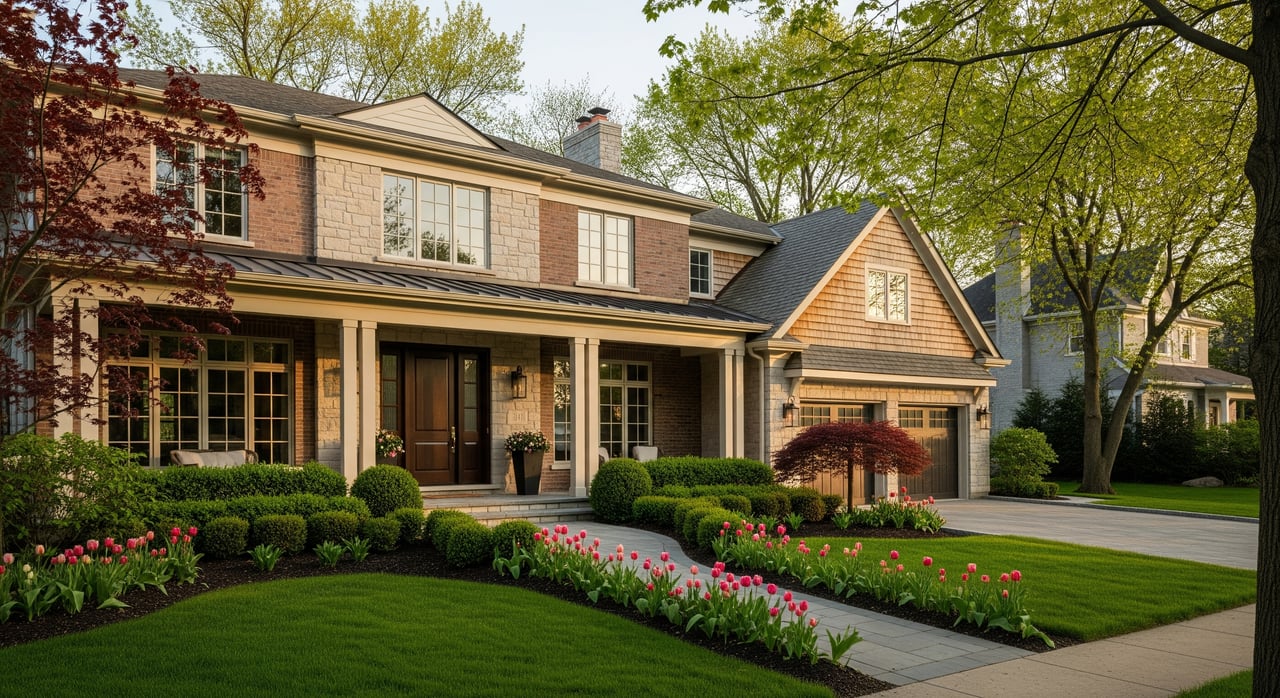
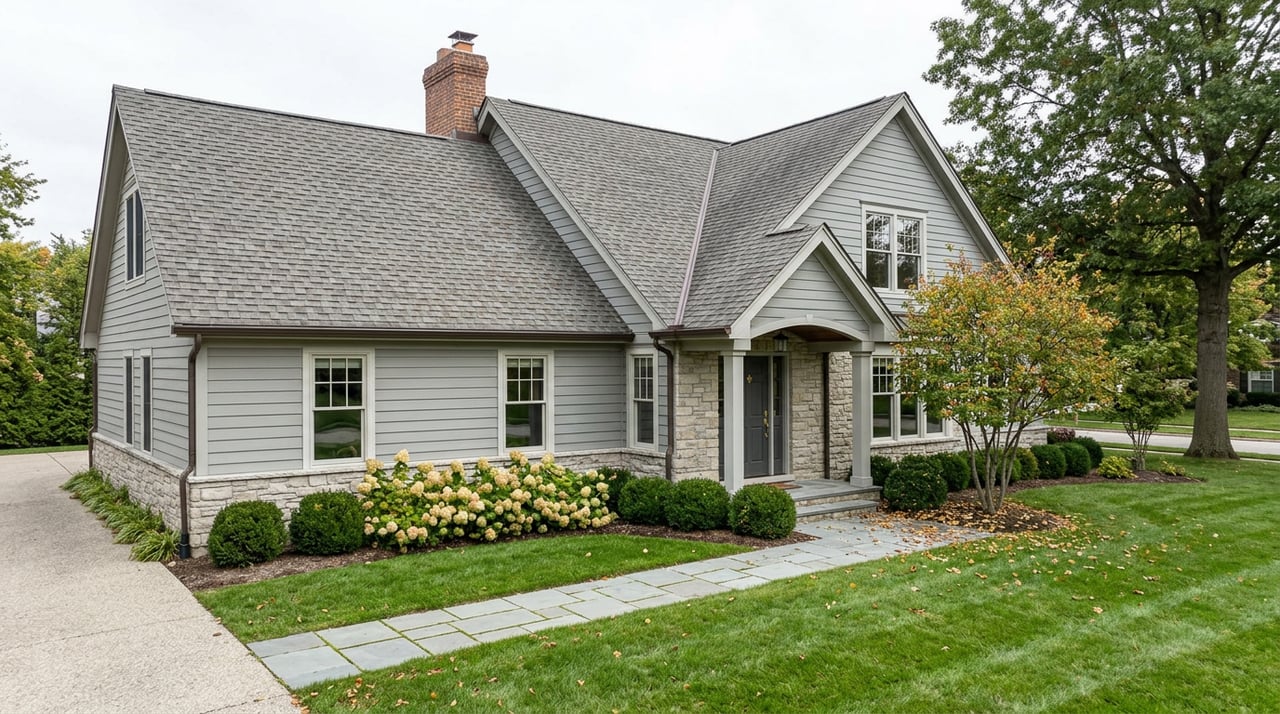
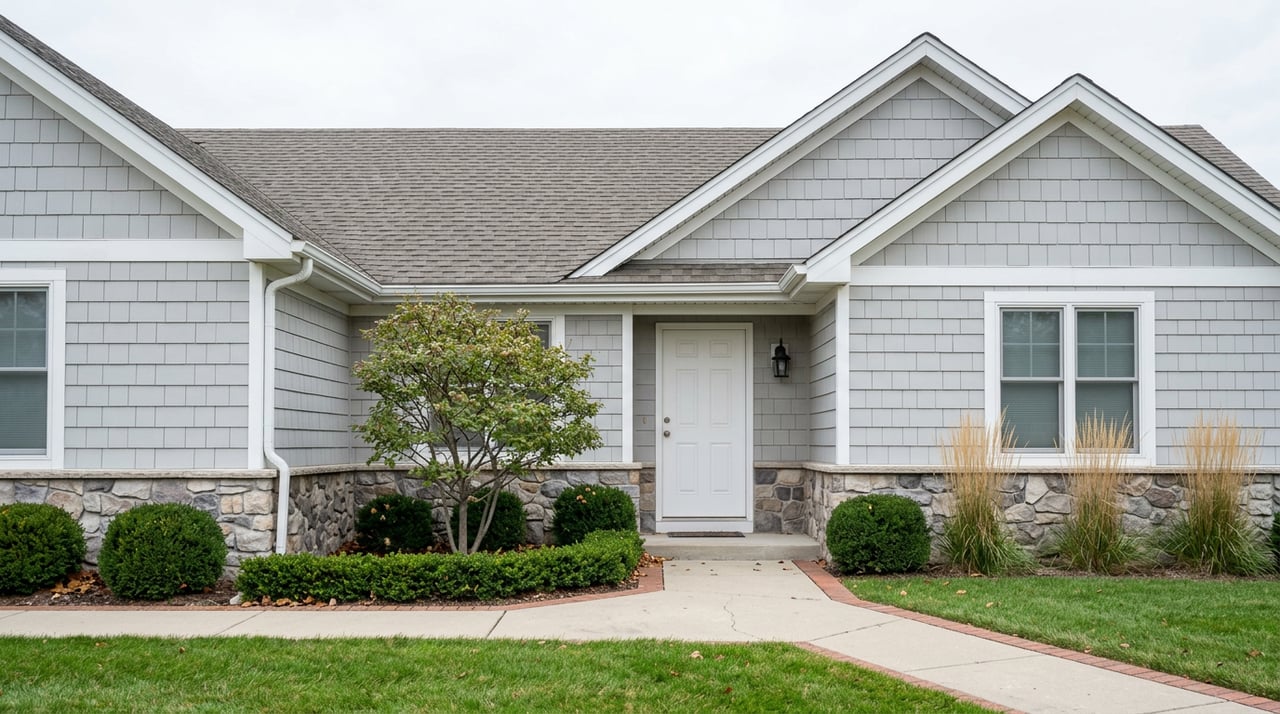
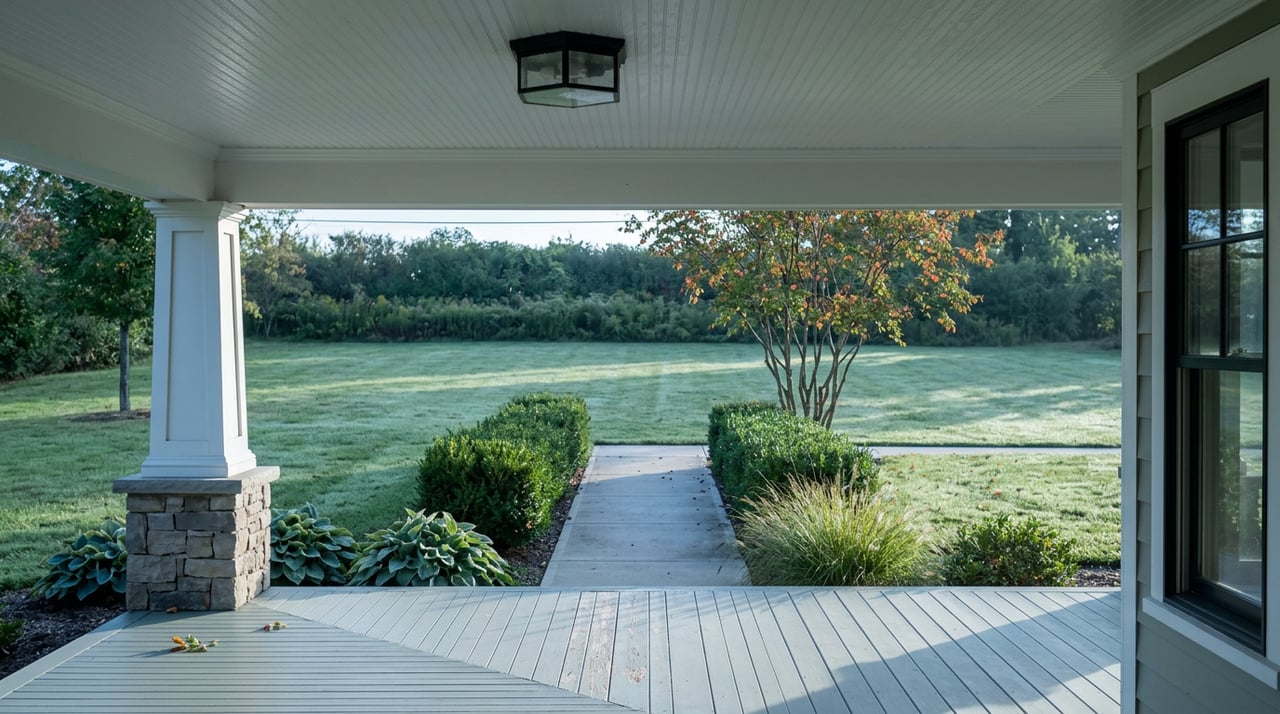
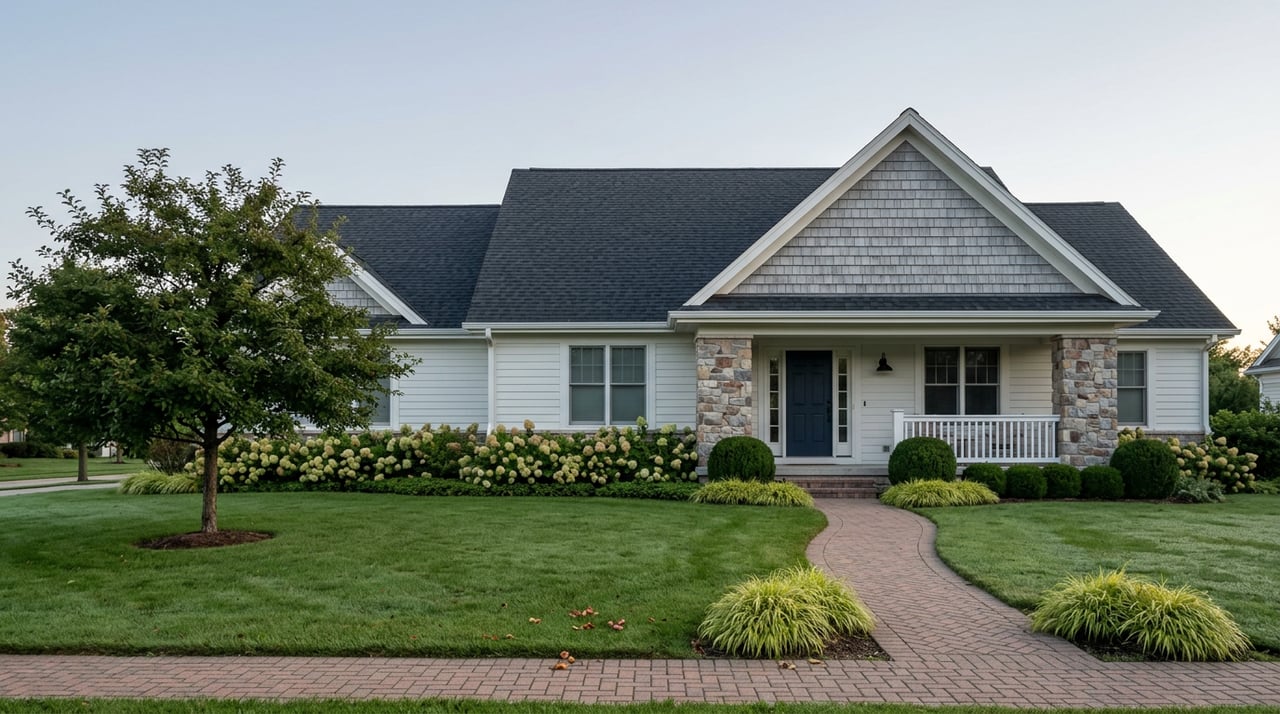
Small, cost-conscious updates can lift your net proceeds regardless of month. Focus on neutral paint, updated lighting, clean lines, and an uncluttered layout that makes rooms feel larger. Fresh landscaping, clear walkways, and tidy outdoor seating can turn drive-by interest into a showing request.
If you want hands-on guidance, work with a staging-focused listing agent who can prioritize projects with real ROI, coordinate light staging, and capture your home’s best angles in photos.
Ready to map your timing and prep plan for Roselle? Get design-led, data-backed guidance from Nancy Winchester. You’ll get a clear listing timeline, a practical staging plan, and pricing strategy tailored to your block.
Stay up to date on the latest real estate trends.


Born from a passion for both real estate and design, I bring a unique perspective to every transaction. With years of experience in sales and a trained eye for interiors, I help sellers showcase their homes with creativity and minimal expense, giving them a competitive edge in today’s market.

NANCY WINCHESTER
10 N Martingale Rd Ste 400 Schaumburg IL 60173